Introduction to Odisha’s Tribal Culture
Odisha, a state located on the eastern coast of India, is renowned for its rich cultural diversity and vibrant tribal heritage. Home to a multitude of tribal communities, the state is an exemplar of the confluence of ancient traditions and contemporary lifestyles. Among the many tribes that reside in Odisha, major communities include the Santhal, Gond, Koya, and Bonda, each possessing unique customs, languages, and art forms. The historical significance of these tribes is unparalleled, as they have inhabited the region for centuries, contributing to the cultural tapestry of Odisha.
The tribal heritage of Odisha is integral to the state’s identity, with traditions and practices that encompass every aspect of life, from rituals and festivals to art and music. Their forms of expression, particularly through handicrafts, textiles, and tribal dances, not only highlight the artistic proficiency of these communities but also serve as a medium of storytelling, preserving their ancestral narratives. The tribes maintain a deep spiritual connection with their natural surroundings, frequently reflecting their respect for nature in their customs.
Engaging with Odisha’s tribal culture through tourism offers an opportunity to experience this profound heritage firsthand. Visitors can immerse themselves in the authentic lifestyles of the tribes, learning about their traditions and practices directly from the community members. Such interactions not only foster appreciation for the cultural diversity within Odisha but also contribute to sustainable tourism that respects and supports the local communities. By participating in tribal tours, travelers play a vital role in promoting the preservation of these traditional lifestyles while simultaneously enriching their own understanding of Odisha’s cultural richness.
The Ethnic Diversity of Odisha’s Tribes

Odisha is a state richly endowed with ethnic diversity, primarily due to its numerous tribal communities. The state is home to a variety of tribes, each with its own unique culture, traditions, and languages. Among these groups, the Santhal, Gond, and Saora tribes are particularly notable, representing a vibrant spectrum of Odisha’s indigenous heritage.
The Santhal tribe, one of the largest tribal communities in India, is predominantly found in the Mayurbhanj district of Odisha. They have their own language known as Santhali, which belongs to the Munda family of languages. The Santhal are renowned for their vibrant music, folk dances, and handicrafts, particularly their intricate bamboo and wooden items. Their traditional life revolves around agriculture and they celebrate various festivals such as the Sohrai, which marks the harvest season.
Another significant tribal group is the Gond tribe, known for their rich folk traditions and artistic expressions. The Gonds primarily reside in the southern parts of Odisha and communicate through the Gondi language. They are recognized for their elaborate wall paintings and handicrafts made from natural materials. Their deep-rooted connection to nature is reflected in their costumes, rituals, and everyday practices.
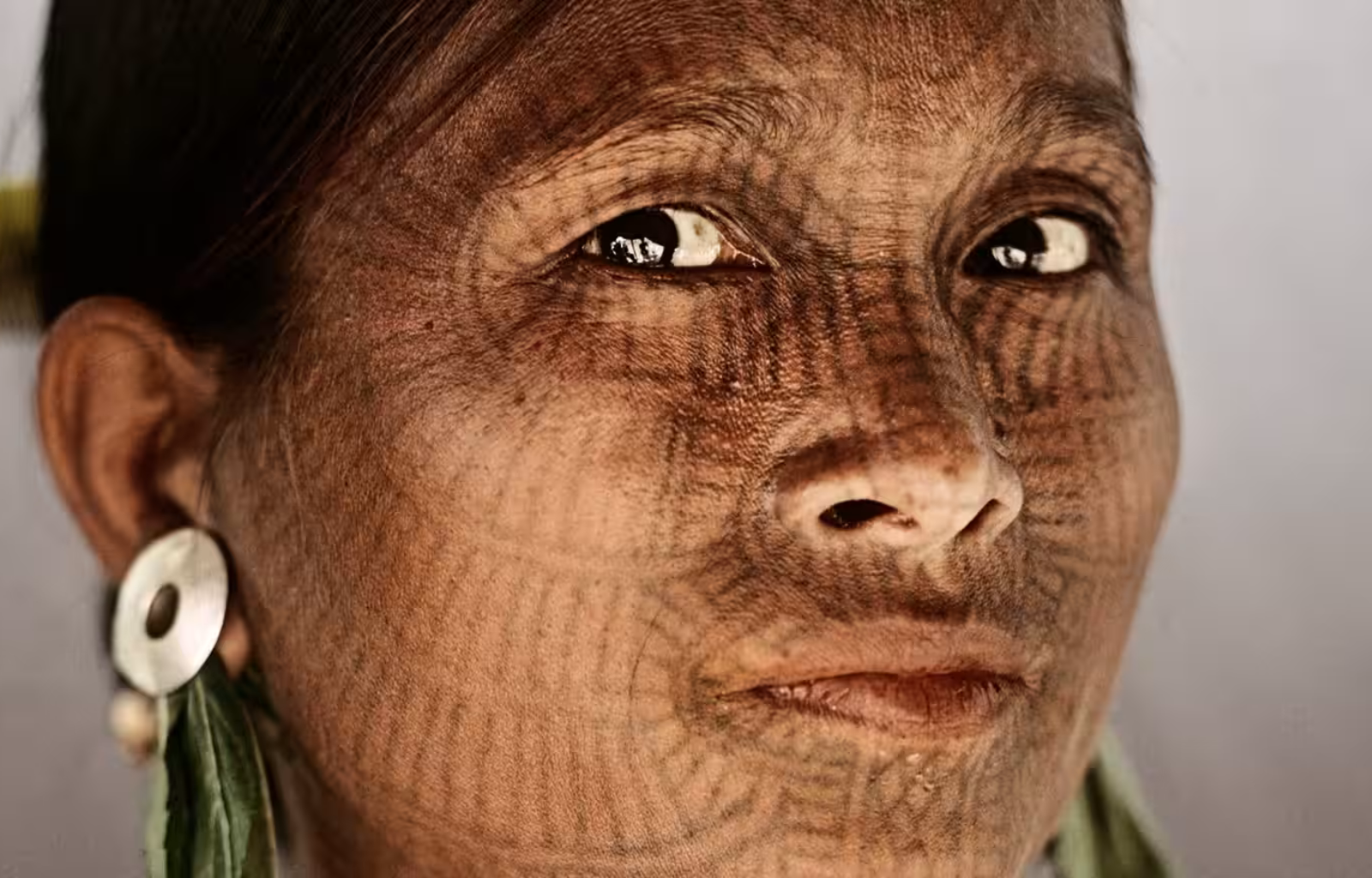
The Saora tribe, with a population spread across the districts of Ganjam and Gajapati, is known for their unique customs and beliefs. The Saora speak the Saora language, which is part of the Austroasiatic language family. They are distinguished by their intricate tattoos and distinctive art forms, including the famous Saora paintings that tell stories of their myths and traditions. Their economy is primarily based on agriculture, hunting, and gathering, showcasing their symbiotic relationship with the environment.
Each of these tribes contributes to the rich cultural tapestry of Odisha, making the state a diverse mosaic of languages, traditions, and crafts. The exploration of Odisha’s tribal communities offers travelers a profound appreciation of their unique lifestyles and the vibrant culture that thrives across the region.
Understanding Tribal Traditions and Festivals

Odisha is home to a myriad of tribal communities, each possessing distinct traditions that encapsulate their cultural heritage. These tribes celebrate various festivals throughout the year, rooted deeply in their beliefs and lifestyles. One of the most significant festivals is Baisakhi, which marks the beginning of the harvesting season. This event is not merely a celebration of agricultural prosperity; it symbolizes the community’s connection to their land and sustenance. Tribal families participate in traditional dances and rituals, showcasing their unity and gratitude towards nature.
Dussehra, another important festival, holds a special place in the hearts of many tribal groups in Odisha. While it is widely observed across India, the tribal interpretation is unique. For these communities, Dussehra represents the victory of good over evil, reflected through various reenactments, music, and dance. The use of vibrant costumes and traditional instruments adds to the exuberance of the festivities, creating an atmosphere infused with spiritual significance. This festival allows tribal members to reflect on moral values while reinforcing their cultural identity.
Moreover, the Magha Mela epitomizes the richness of tribal traditions. Taking place during the lunar month of Magha, this fair draws numerous visitors and participants. The Mela features a blend of cultural exhibitions, traditional games, and rituals that honor the changing seasons. It offers an opportunity for tribes to showcase their arts, crafts, and culinary practices, emphasizing the importance of preserving their heritage. Each of these festivals provides insight into the collective values and beliefs held by Odisha’s tribes, illustrating not only their reverence for nature but also their commitment to community and kinship.
Art and Craftsmanship: A Reflection of Tribal Identity

Odisha is home to a multitude of tribes, each possessing a rich tradition of art and craftsmanship that vividly reflects their identity and cultural heritage. One of the most prominent artistic expressions among these tribes is tribal painting, notably the intricate Pattachitra style. This traditional art form is characterized by its elaborate detailing and vibrant colors, often depicting stories from mythology, folklore, and the daily lives of the tribal communities. The painters, usually women, skillfully use natural dyes and pigments derived from local flora, showcasing their connection to the environment and sustainable practices.
Weaving also plays a significant role in the art culture of Odisha’s tribes. The exquisite handwoven textiles, often made from cotton and silk, serve not just aesthetic purposes but also convey cultural narratives unique to each tribe. The patterns and motifs woven into the fabric are emblematic of tribal practices, beliefs, and history, functioning as a wearable testament to their identity. The traditional weaving techniques passed down through generations help in the preservation of ancient skills while also empowering local women economically as they carve out livelihoods through their craft.
Moreover, pottery is another vital aspect of Odisha’s tribal craftsmanship. The clay pots and artifacts created by tribal artisans are not merely utilitarian; they are often adorned with artistic designs that symbolize various aspects of tribal life, from agricultural practices to spiritual beliefs. Local artisans demonstrate remarkable skill and creativity, ensuring that pottery remains a living art form that contributes to both the culture and the economy. The revenue generated from the sale of these art pieces plays an essential role in sustaining the tribes, providing them with the means to support their communities while preserving their timeless traditions.
The Role of Nature in Tribal Life
The tribes of Odisha have developed a profound relationship with their natural surroundings, which plays a pivotal role in their cultural identity and daily existence. The lush landscapes, dense forests, and diverse ecosystems of Odisha provide not only sustenance but also a spiritual connection that deeply influences tribal life. These communities have thrived by practicing sustainable methods that honor the environment, ensuring the conservation of their ecological heritage for generations to come.
One of the key aspects of tribal life is their reliance on indigenous resources. The tribes utilize a wide variety of plants, herbs, and trees for food, medicine, and craft. For example, various forest products such as bamboo, timber, and wild fruits are integral to their livelihoods. This reliance encourages a respectful interaction with nature, whereby every resource is valued, and wastefulness is avoided. The tribes have cultivated traditional knowledge that enables them to utilize resources sustainably, thus maintaining the balance within their ecosystems. The seasonal cycles of plant growth and wildlife patterns are well understood by these communities, showcasing their ecological awareness and dependency on nature.
Furthermore, the ecological knowledge possessed by Odisha’s tribes significantly contributes to their cultural practices. Many rituals and festivals are directly tied to the seasons, agricultural cycles, and natural phenomena. This link emphasizes nature as a central theme within their cultural expressions, reinforcing their stewardship of the environment. These traditions demonstrate the tribes’ unique worldview, where harmony with nature is not merely an aspect of life but a fundamental principle guiding their actions.
In essence, the relationship between Odisha’s tribes and their natural environment is a symbiotic one, characterized by sustainable practices and a profound respect for ecological integrity. This connection is vital not only to their survival but also to the continuity of their rich cultural heritage.
Experiencing Tribal Life: Tours and Encounters

Planning a tribal tour in Odisha offers a unique opportunity to immerse oneself in the rich heritage and traditions of the region’s indigenous communities. To begin, it is essential to select key destinations that showcase the vibrant tribal culture. The Koraput and Malkangiri districts are highly recommended, as they are home to a diverse array of tribal groups, each with distinct languages, customs, and arts. These areas provide an authentic experience, far removed from mainstream tourism.
When devising an itinerary, consider allocating time to visit local villages, engage in community rituals, and witness traditional craft-making. Guided tours can enhance your experience by providing insights into the cultural significances behind various practices and art forms. Opt for reputable local guides who have established relationships with the tribal communities, fostering mutual respect and understanding.
Accommodations can range from homestays to eco-lodges that promote sustainable tourism and allow for closer interactions with tribal individuals. Staying with local families can offer an enriching experience, providing first-hand exposure to their daily lives, meals, and customs. It is advisable to book accommodations in advance to ensure availability, especially during peak travel seasons.
Cultural etiquette is pivotal when engaging with tribal communities. Approach interactions with respect and humility, seeking permission before taking photographs. Learn a few basic phrases in the local dialect, as it demonstrates genuine interest in their culture. Additionally, be mindful of dress codes; wearing modest clothing illustrates reverence for the local traditions.
A tribal tour in Odisha not only enriches one’s understanding of indigenous cultures but also contributes to the sustainability of these communities. By embracing respectful practices and promoting local economies, travelers can enjoy meaningful encounters while supporting the preservation of tribal heritage.
Sustainable Tourism and Its Impact

Sustainable tourism is a concept that promotes responsible travel practices aimed at minimizing the negative impacts of tourism on local communities and the environment. In the context of Odisha’s tribal areas, sustainable tourism plays a critical role in preserving the unique cultural heritage of various tribal groups while providing economic benefits to these communities. The tribal communities in Odisha, known for their rich traditions, art, and crafts, often face challenges due to external pressures from mainstream tourism and commercialization. Thus, developing responsible travel practices is vital for safeguarding their ancestral practices and lifestyles.
One of the key challenges in promoting sustainable tourism in Odisha’s tribal regions is balancing the increasing interest of visitors with the preservation of indigenous cultures. Many tribal communities are enthusiastic about sharing their traditions with tourists; however, there is a risk that overexposure to tourism could lead to cultural commodification. This phenomenon could dilute the authenticity of tribal customs and traditions, undermining their social cohesion. Therefore, it is essential to implement strategies that respect the tribal identity while providing a platform for engagement with visitors.
On the other hand, sustainable tourism also presents numerous opportunities for local communities. By fostering responsible travel practices, tourists can contribute to the economic empowerment of tribal people through direct involvement in tourism initiatives. Creating local experiences, such as guided tours led by tribal members and the sale of traditional handicrafts, can enhance visitors’ understanding of the culture while ensuring that the community reaps the benefits financially. Moreover, these initiatives can encourage the preservation of traditional languages, dances, and crafts, facilitating the transmission of cultural knowledge from one generation to another.
Ultimately, the implementation of sustainable tourism initiatives that respect and incorporate the input of tribal communities can lead to a mutually beneficial relationship. It is essential to approach tribal tourism through a lens of respect and collaboration, ensuring that both tourists and tribal peoples gain from this enriching cultural exchange.
Voices from the Tribes: Personal Stories and Testimonials
Engaging with the tribal communities of Odisha offers a profound glimpse into their vibrant cultures and rich traditions. Members of these tribes share personal stories that highlight their unique lifestyles, resilience, and the effects of tourism on their lives. For instance, a Bhuyan tribal leader recounts how the influx of tourists has fostered both economic opportunities and cultural exchanges. He notes that these interactions allow his community to showcase their traditional crafts, like handwoven textiles, which have gained appreciation beyond local borders.
Another perspective comes from a young female member of the Dongria Kondh tribe. She expresses gratitude for the educational opportunities that tourism has brought to her village. Through guided tours, her community has embraced new learning experiences, such as crafting storytelling sessions that share the richness of their heritage. This has not only elevated her family’s economic status but has also empowered women within her community to step into roles that support cultural preservation.
Moreover, a representative of the Kutia Kondh tribe emphasizes that cultural exchange with visitors has inadvertently acted as a catalyst for social cohesion. By participating in cultural festivals and rituals, tourists gain insight into tribal practices, creating a dialogue that preserves age-old traditions. This exchange promotes respect and understanding, fostering pride among tribal members about their identity and heritage.
However, the changing dynamics due to tourism also bring challenges. Some tribal leaders express concerns regarding the commodification of their culture and the need for responsible tourism practices. They advocate for a balance that respects their traditions while benefitting economically from their interactions with travelers. As these narratives unfold, it becomes evident that personal experiences from Odisha’s tribes illustrate both the positive impacts and complexities of tourism within their communities.
Conclusion: Embracing Tribal Heritage in a Modern World
The preservation of tribal culture, particularly in the vibrant context of Odisha, is increasingly vital in the face of globalization. As the modern world progresses, the unique traditions, practices, and lifestyles of tribal communities risk erosion through cultural homogenization. Engaging with these communities provides an opportunity to learn from their rich heritage while simultaneously fostering a sense of respect and understanding. A tribal tour in Odisha offers tourists not just an experience, but an enriching encounter that emphasizes the value of cultural diversity.
Furthermore, promoting respectful tourism practices significantly benefits both travelers and tribal communities. When visitors approach these interactions with cultural sensitivity and a genuine desire to learn, the exchanges become mutually enriching. Tourists gain unique insights into age-old traditions, while tribal communities receive recognition and support, which helps sustain their livelihoods and cultural practices. Tourism that respects the integrity of tribal customs ensures that these communities can thrive in a modernizing world without losing their essence.
Robin Sharma once stated, “Change is hard at first, messy in the middle, and gorgeous at the end.” Embracing the presence of tribal cultures amidst modernity aids in striking a balance between preservation and progress. Supporting initiatives aimed at empowering tribal groups allows their voices to be heard, paving the way for sustainable change that honors their heritage. As such, it is imperative for those who embark on tribal tours in Odisha to engage authentically with the local cultures and foster relationships built on respect and appreciation.
In conclusion, the preservation and celebration of Odisha’s tribal heritage must be prioritized in an age where globalization tends to overshadow local cultures. By actively participating in and respecting these unique lifestyles, we not only enhance our own understanding but also contribute to a more inclusive world where diverse cultures flourish alongside one another.